Which Is Right for Your Champaign-Urbana Home?
“Ductless” sounds like a single product, but there are really two ways to set up a mini-split — and choosing the wrong one is one of the most common, and most expensive, mistakes homeowners make. Whether you're trying to cool one stubborn room or condition half the house, the choice between a single-zone and a multi-zone system comes down to what you're actually trying to solve. Here's how to tell which one fits your home.
What a Single-Zone Mini-Split Is
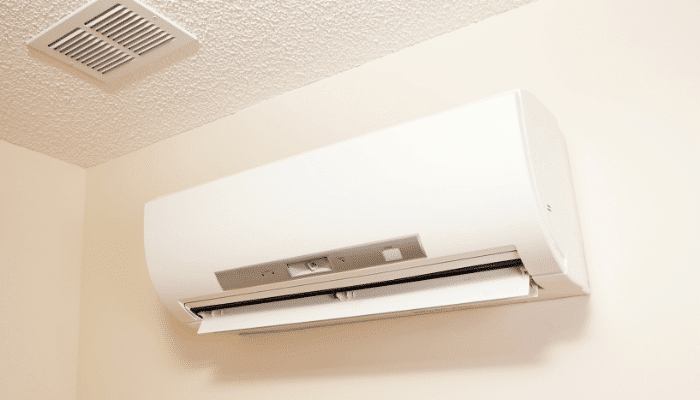
A single-zone system pairs one outdoor unit with one indoor head to condition a single space. We like to call it a “utility tool” — it's built to fix one specific problem area. The most common ones we see in Champaign-Urbana homes:
- A garage or workshop that never holds a constant temperature
- A sunroom that bakes in summer and freezes in winter
- A cold basement
- A master bedroom that won't match the rest of the house
- A living room that needs extra capacity when you're entertaining
If you can point to one room that's the problem, a single-zone system is usually the answer.
What a Multi-Zone Mini-Split Is
A multi-zone system runs several indoor units off a single outdoor unit — most commonly two or three zones in a home. The indoor units don't have to match, either: high-wall, low-wall, ducted, and ductless heads can be mixed on one system, so each space gets the right style. Multi-zone makes sense when several areas need conditioning, or when there's no ductwork to tie a central system into at all — a common situation in the older homes around Old Town Champaign and near the U of I campus.
How to Tell Which One You Need
A quick gut-check:
- Go single-zone if one room or space is the issue — an addition, garage, sunroom, or a single room that's always too hot or too cold.
- Go multi-zone if several rooms are uncomfortable, you're heating and cooling a home with no ductwork, or you're going all-electric and want the whole house covered.
It's not unusual to start with a single-zone unit for the worst room and add comfort elsewhere down the road. The right call depends on your specific home, which is why we design every system in person before we quote it.
Why Multi-Zone Systems Are Easy to Get Wrong
This is where professional design matters most. On a multi-zone setup, the outdoor unit has to be a manufacturer-rated match for the combined capacity of all the indoor heads. Get that wrong and the system underperforms — rooms never quite reach temperature, efficiency drops, and you've spent more to get less comfort.
There's a related trap homeowners run into with their existing central system: once it satisfies the main living area, it shuts off, leaving bonus rooms, upstairs spaces, or additions uncomfortable. Simply extending ductwork to those areas can create a capacity gap that starves the rest of the house. A properly sized ductless zone solves the problem area independently, without taxing the existing system. Designing around all of this — including true room-by-room zoning — is exactly why we engineer each ductless mini-split layout before install day instead of guessing on-site.
Don't Forget — Both Setups Heat, Too
Single-zone and multi-zone systems are both available as heat pumps that warm and cool year-round. For central Illinois winters, higher-end Mitsubishi Hyper-Heating units keep producing heat in deep cold — so a mini-split can do far more than take the edge off. In the right home, it can serve as a primary heat source, much like a whole-home heat pump.
What About Cost?
Ballpark, single-zone systems in the Champaign area run about $5,000–$10,000, while multi-zone systems start around $9,000–$10,000 and climb with complexity — a large mixed-use whole-home setup can reach $40,000 or more. Steer clear of the $1,500 DIY kits online; those are a completely different product from a professionally designed, manufacturer-matched install. Be sure to ask about current ductless rebates and financing when it's time to buy.
Still Not Sure? Let's Look at Your Home
Choosing between single-zone and multi-zone isn't always obvious — and it shouldn't be left to guesswork. Lanz designs every Mitsubishi ductless system around your specific space before quoting it, so you get exactly the comfort you need and nothing you don't.
Call 217-394-1380 or request a free in-home estimate to get started.
Most multi-zone homes we serve run two to three zones. You only add indoor heads where you actually need conditioning — there's no benefit to over-building the system.
Yes — that's the single most common reason people call us about ductless. A single-zone unit is a targeted fix for a garage, bonus room, sunroom, or a bedroom that never matches the rest of the house.