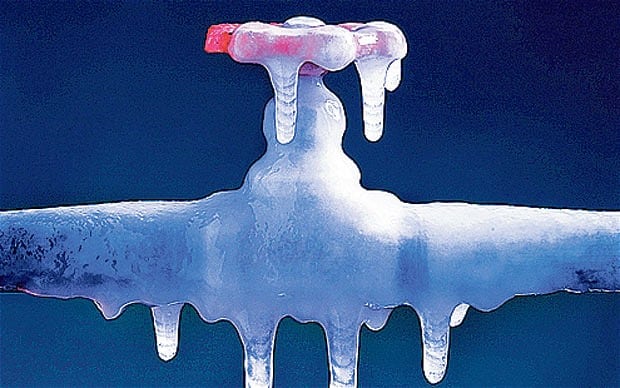
Understanding Why Pipes Freeze and How to Protect Your Home This Winter
Here in Savoy, IL, freezing temperatures can put your home’s plumbing at risk — especially water lines and drainpipes located in unheated areas. While Lanz Plumbing, Heating & Cooling, Inc. handles burst pipe emergencies, we do not offer frozen pipe thawing (for water or drain lines). This helps protect homeowners from:
- Extremely time-consuming and costly thawing
- Significant safety and liability risks
- Temporary fixes that don’t solve the root problem
- Pipes that refreeze shortly after thawing
Even though we don’t thaw frozen pipes, we do want to help you prevent the problem — and understand what to do if it happens. This guide walks you through why pipes freeze, how to prevent it, how to safely thaw a frozen pipe, and what steps to take if one bursts.
Why Frozen Pipes Occur
Frozen pipes usually come down to a few common issues:
1. Pipes installed in unconditioned spaces
Crawl spaces, basements, garages, and exterior walls can drop below freezing quickly.
2. Insufficient heat reaching the pipes
Closed vents, failing heaters, or uneven heat distribution make freezing more likely.
3. Outdoor hoses left on spigots
This traps water in the line, causing it to freeze back into the home.
4. Cracks or gaps that let cold air blow onto a pipe
Even a small draft can freeze a pipe when temperatures stay low.
Why Pipes Burst
A burst pipe isn’t always caused by the ice itself — it’s caused by pressure.
When water freezes, it expands and blocks the pipe. The trapped water between the ice and the nearest closed valve or fixture becomes pressurized. As freezing continues, pressure builds until the pipe fails, often several feet away from the frozen spot.
This is why prevention is so important — once a pipe bursts, the damage can be extensive.
How to Prevent Frozen Pipes
Good preparation goes a long way. Here’s what to do before and during cold weather:
Before Temperatures Drop
- Know where your main water shutoff is
- Have heating equipment inspected
- Disconnect all outdoor hoses
- Insulate pipes in unconditioned spaces
- Seal cracks or gaps near plumbing lines
- Install low-temperature or freeze alarms in vulnerable areas
When Cold Weather Arrives
- Allow a faucet to drip slowly
- Open cabinet doors under sinks to let warm air reach the pipes
- Keep the thermostat set to a consistent temperature day and night
How to Safely Thaw a Frozen Pipe
Thawing an Exposed Pipe
If you can see the frozen pipe, you can thaw it safely by:
- Locating the frozen section
- Opening the faucet served by that pipe
- Starting the warming process closest to the faucet and working toward the blockage
Safe thawing tools include:
- Hair dryer
- Heat lamp
- Portable space heater
- Warm towels
- Turning up your home’s heat
Never use open flames, torches, or anything that could ignite nearby materials.
Thawing a Concealed Pipe
If the frozen area is behind a wall or ceiling:
- Increase heat in the home
- Use a portable heater directed at the area
- If necessary, cut a small opening to access the pipe
- Warm the pipe gradually and patiently
In many cases, concealed pipe freezes indicate insulation issues that should be addressed to prevent future problems.
What To Do if a Pipe Bursts
If a pipe bursts — even a small one — immediate action is crucial:
- Shut off the main water valve
- Open all faucets to relieve pressure
- Turn off the water heater
- Call a professional plumber
The faster you act, the more you can minimize damage to floors, walls, cabinets, and personal belongings.
Need Help With a Burst Pipe? We’re Here for You.
While we don’t thaw frozen pipes, Lanz Plumbing, Heating & Cooling, Inc. is fully equipped to handle burst pipes, water damage concerns, repairs, and plumbing emergencies.
Our team cares about protecting your home and restoring your plumbing safely.
If you’re dealing with a burst pipe, give us a call 217-394-1380 .