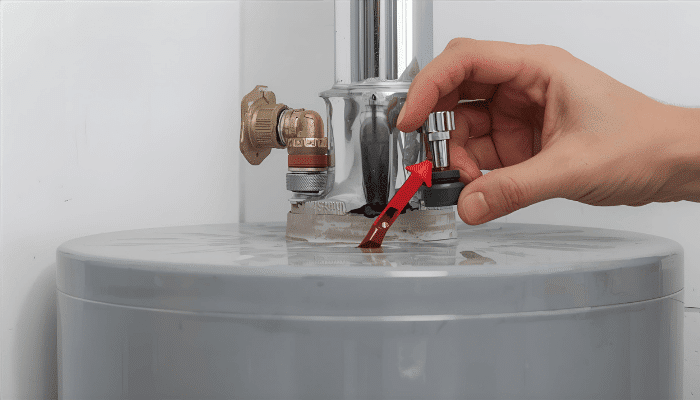
When a water heater starts leaking, making unusual noises, or showing signs of failure, knowing how to shut it off quickly can help prevent serious water damage. While shutting off a water heater does not replace professional repair, it can stop the situation from getting worse until help arrives.
This guide walks you through how to safely shut off your water heater in an emergency and explains when it is time to call a professional.
When Should You Shut Off Your Water Heater?
You should shut off your water heater immediately if you notice:
- Water leaking from the tank or nearby connections
- A burst or actively leaking pipe connected to the unit
- Discolored or rusty water coming from hot water fixtures
- Loud popping, banging, or hissing sounds
- The smell of gas near a gas water heater
- Flooding around the water heater
If you smell gas or suspect an electrical issue, leave the area and contact a professional right away.
Step 1: Turn Off the Power or Gas Supply
Before shutting off the water supply, you should stop the water heater from heating.
For Electric Water Heaters
Locate your home’s electrical panel and turn off the breaker labeled for the water heater. If it is not clearly labeled, shut off the main breaker to be safe.
Many communities in our service area also require there to be separate electrical disconnect within 5 feet of your water heater.
Never touch the water heater directly if water is present around electrical components.
For Gas Water Heaters
Find the gas control valve on the front of the unit and turn it to the “Off” position. This stops gas from flowing to the burner.
Most installations that are up to building code will also have a separate shutoff on the gas line supplying the water heater.
If you smell gas and cannot safely reach the valve, leave the area and call for professional help.
Step 2: Shut Off the Water Supply to the Water Heater
Next, stop water from flowing into the tank.
Look for the cold water supply valve located on the pipe entering the top of the water heater.
- Turn the valve clockwise to shut it off
- If the valve will not turn or is damaged, shut off the main water supply to your home
Stopping the water supply prevents additional water from entering the tank and leaking out.
Step 3: Relieve Pressure if Necessary
If the tank is leaking heavily or overheating, relieving pressure may help reduce damage.
Turn on a nearby hot water faucet to allow air into the system. This helps the tank drain more safely if needed and reduces pressure buildup.
Do not touch the pressure relief valve unless you know it is safe to do so, as hot water or steam may be released.
Step 4: Assess the Situation Safely
Once the power or gas, and water supply are off, avoid touching the water heater if it is hot or actively leaking.
Common issues that require professional service include:
- A cracked or corroded tank
- Failed pressure relief valve
- Internal tank damage
- Broken or leaking water lines
In many cases, a leaking water heater cannot be repaired and may need to be replaced.
What Not to Do During a Water Heater Emergency
- Do not attempt to repair the tank yourself
- Do not turn the water heater back on until it has been inspected
- Do not ignore slow leaks, as they often worsen quickly
- Do not continue to allow your heater to operate if you smell gas
Quick action can limit damage, but professional evaluation is still essential.
When to Call a Licensed Plumber
You should contact a professional immediately if:
- The water heater is leaking from the tank itself
- You smell gas near a gas unit
- The unit is not producing hot water after you restart it
- Water damage is spreading or pooling
- The water heater is more than 10 years old
A trained technician can determine whether repair is possible or if replacement is the safest option, while also ensuring the system meets current safety and plumbing code requirements.
Need Help With a Water Heater Emergency?
If your water heater is leaking, failing, or showing signs of damage, the team at Lanz is ready to help. We provide professional water heater repair and replacement services to restore safety and reliability as quickly as possible.
Call 217-394-1380 or contact us online to schedule service and get expert help when you need it most.